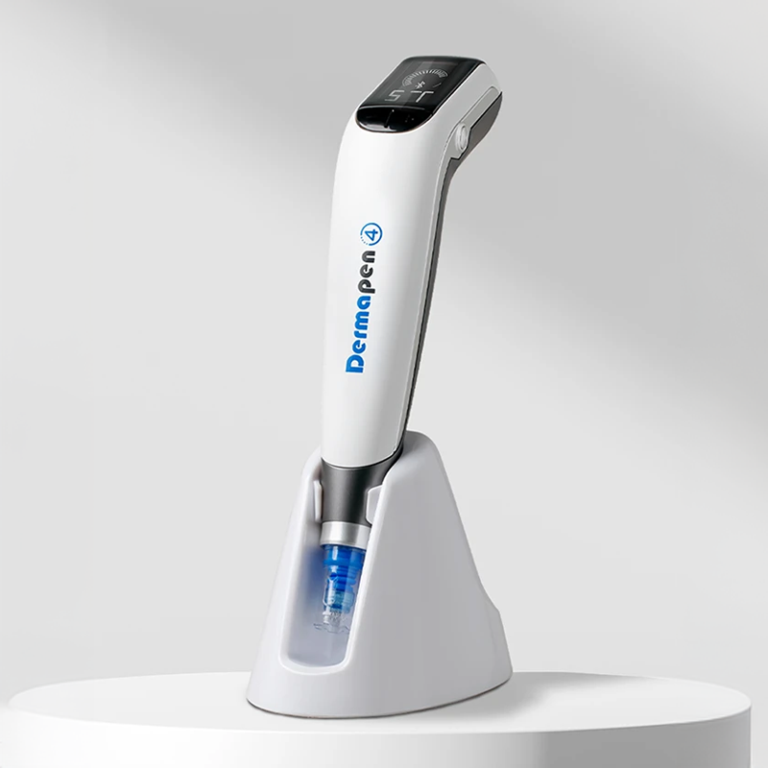
 Device
Face
Spots, sun spots and uneven facial tone
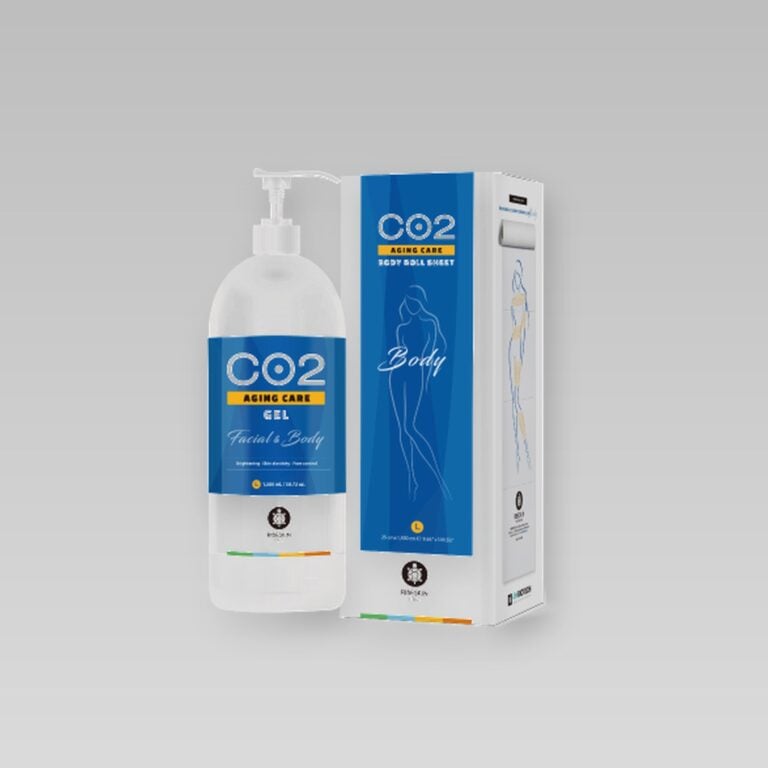
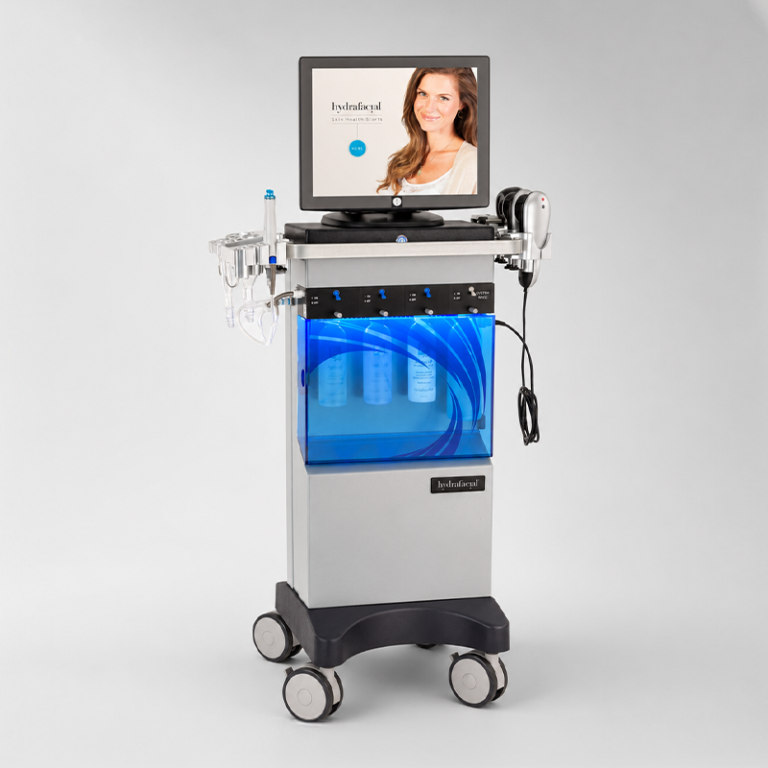
Most spots and sun spots come from the sun and sunbeds (photo-ageing) and improve gradually with skin renewal (Dermapen 4, carboxytherapy, Hydrafacial) and daily sun protection. Melasma and any spot that changes need a medical assessment.
At a glance
- Our solutions
- Dermapen 4 · Carboxytherapy · Hydrafacial
- Areas
- cheeks, forehead, upper lip, décolleté, hands
- Sessions
- Dermapen 3–6 · Carboxy 4–6
- What it feels like
- none to a light prickle
- Downtime
- 0–1 day
What is it and why does it appear?
Skin colour comes from melanin, produced by melanocytes. Ultraviolet light stimulates them, and over the years some of them produce melanin permanently and unevenly: that is how sun spots form on the cheeks, forehead, décolleté and hands. Melasma is different: symmetrical brown patches, usually from hormones (pregnancy, contraception) combined with sun, which recurs easily and needs a medical approach. Post-inflammatory marks (after acne or injury) are the third group and fade on their own over time, faster with help. Our treatments speed up the renewal of the epidermis, so the cells with excess melanin are replaced, and improve microcirculation; vitamin C and sunscreen at home prevent new ones [1]. Without sunscreen every day, the spots come back.
Types
- Sun spots: from years of sun exposure; respond well
- Melasma: symmetrical brown patches from hormones and sun; medical assessment first
- Post-inflammatory: after acne or injury; fade with time and renewal
- Moles and spots that change shape or colour: always a dermatologist
How we treat it
We start with a check: any spot that changes goes to a dermatologist, melasma to a medical assessment. For sun and post-inflammatory spots, Dermapen 4 for renewal and balancing of melanin, carboxytherapy for tone and glow, Hydrafacial for a brighter complexion. Autumn and winter are the best season.
Recommended signature combo
 Combo
Cell Regen
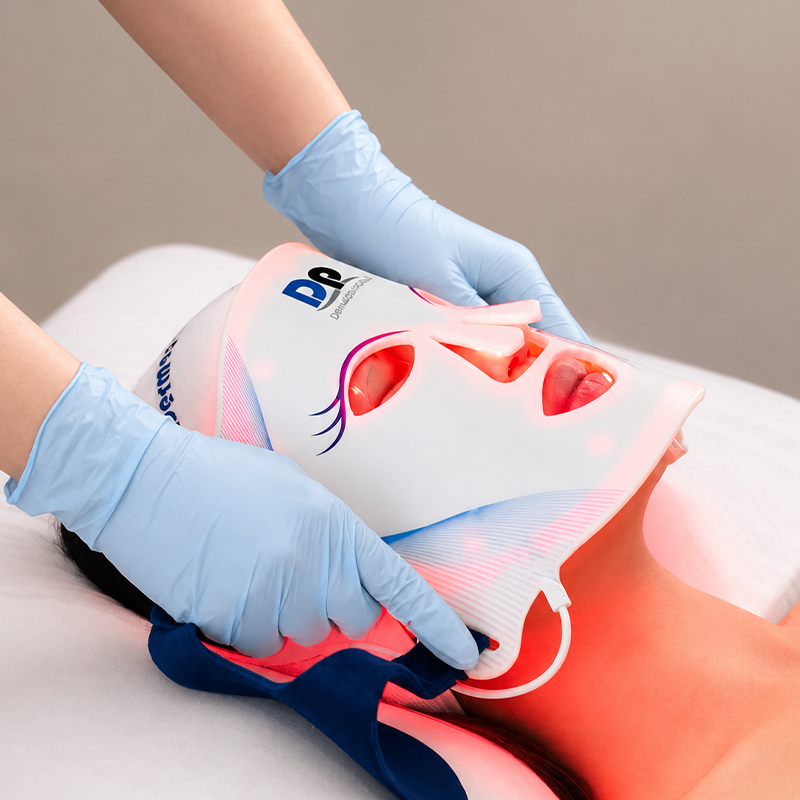
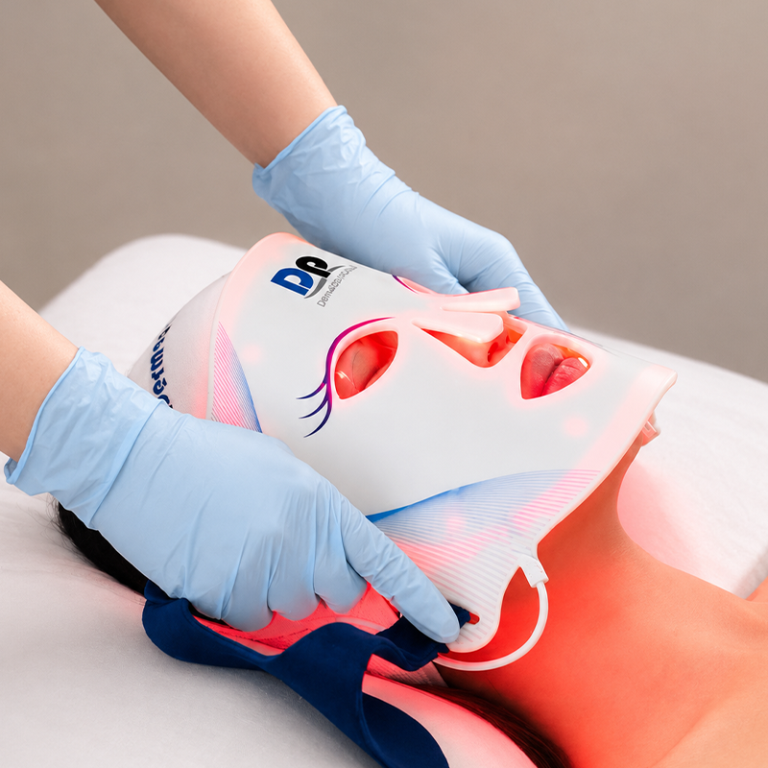
Microneedling with exosomes to rebuild the skin, and an infrared mask for faster recovery.
What to expect
Before and after: the tone becomes more even and the skin brighter from the first 2–3 sessions; the spots lighten gradually over 2–3 months. The result lasts as long as the sunscreen does: without daily protection, the sun makes them again.
Tips
- SPF 50 sunscreen every morning, all year, reapplied at midday
- Vitamin C in the morning, under the sunscreen
- Hat and shade at peak hours
- No sunbeds
Frequently asked questions
Do they go for good?
They improve significantly, but come back without sunscreen. Maintenance is daily protection.
Which season is best?
Autumn and winter, with less sun.
Do I need sunscreen in winter?
Yes, every day. Ultraviolet light is there even on cloudy days.
I have melasma; can I have it?
Melasma needs a medical assessment first, because some treatments can make it worse. Afterwards, as a complement, our gentle treatments.
How much does it cost?
It depends on the treatments, areas and number of sessions. Add what interests you to your plan and the proposal with prices comes to you on WhatsApp, with no obligation.
Medically reviewed by Dr Prodromos Papaioannou, plastic surgeon, HESPRAS member · 20 October 2026